How to Use a State Pest Control Directory to Find Licensed Professionals
When a pest problem hits your home or business, the first instinct is often to grab a phone and call the first exterminator you find online. I have been there myself - a frantic search for someone who can handle a sudden termite treatment or a stubborn bed bug extermination. But hiring the wrong person can make things worse. That is where a state pest control directory becomes a genuinely useful tool. It helps you separate licensed, qualified professionals from unlicensed operators who might cut corners or use unsafe methods.
Over the years, I have learned that the pest control industry is heavily regulated for good reason. Pesticides can harm people, pets, and the environment if misapplied. A state pest control directory, like the one you might find on Pestipedia, gives you a reliable starting point. It lists companies and individual pest control operators who hold a valid pesticide license in their state. This is not just a piece of paper - it means they have passed exams, completed continuing education, and agreed to follow state laws. Without that directory, you are essentially gambling on whoever shows up.
Why Licensing Matters More Than You Think
I once spoke with a homeowner who had hired a handyman to handle a rodent control issue in their attic. The handyman used a bait that was not labeled for indoor use, and the family ended up with a sick pet. That situation could have been avoided with a quick check of a state pesticide regulatory agency. When you use a directory that is maintained by or linked to that agency, you know the pest control service you call has the proper pest certification. In many states, a pest control operator must also carry insurance and post a bond, which protects you if something goes wrong.
The Environmental Protection Agency sets national standards for pesticide use, but each state has its own enforcement arm. That is why a national directory does not always cut it. You need a state-level resource that reflects local requirements. For example, a termite treatment in Florida may involve different chemicals and application methods than one in Minnesota. A good state pest control directory accounts for those differences because it only includes companies that meet that state's specific rules.
What You Can Expect From a Licensed Professional
A licensed pesticide applicator or exterminator has gone through formal training. They understand Integrated Pest Management, which is a strategy that focuses on long-term prevention rather than just spraying chemicals. A well-trained professional will conduct a thorough pest inspection before recommending any treatment. They might seal entry points, recommend sanitation changes, or suggest moisture control before ever reaching for a chemical solution. That approach is both safer and more effective.
Green pest control is another area where licensing matters. Many companies now offer eco-friendly options, but not all of them are equally rigorous. A directory can help you find a local pest control company that specializes in green methods while still holding the proper pesticide license. I have seen homeowners assume that any company claiming to be green is automatically safe, but that is not always true. The directory gives you a way to verify credentials before you commit.
Types of Services You Can Find
A comprehensive directory will cover a wide range of services. Common ones include:
- Termite treatment and structural pest control for wood-destroying organisms
- Bed bug extermination using heat, steam, or approved insecticides
- Mosquito control for residential and commercial properties
- Rodent control through exclusion, trapping, and baiting
- Fumigation for stored product pests or severe infestations
Each of these services requires different training and equipment. A pest control operator who handles fumigation must have additional certifications beyond a basic pesticide license. The directory should note those specialties. When you search, look for a pest management plan that fits your specific situation, not a one-size-fits-all contract.
How to Use the Directory Effectively
First, find the section for your state. If you are using Pestipedia, the site is organized by state, so you can drill down quickly. Once you have a list of licensed companies, do not just pick the first one. Cross-reference with reviews, but remember that online reviews can be faked or skewed. The directory gives you a vetted pool - now you need to narrow it down. Call two or three companies and ask about their experience with your specific pest issue. A good exterminator will ask you questions too, like how long you have noticed the problem and what you have tried so far.
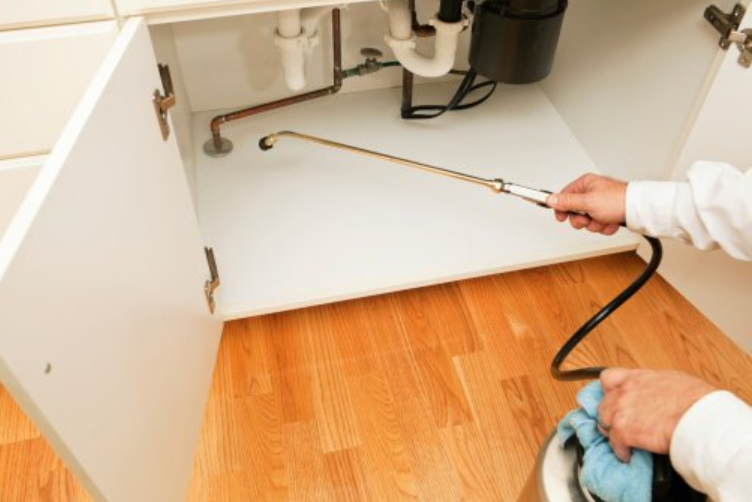
Second, verify that the company's license is current. Some states have online databases where you can check license numbers. The directory should provide that information, but it is worth confirming. I have seen cases where a company let its pest certification lapse but kept operating. That is a red flag. A state pest control directory that updates regularly helps minimize that risk, but you can still do your own verification.
Third, ask about their approach to Integrated Pest Management. A company that relies solely on spraying without addressing the root cause is not doing you a full service. You want a pest control service that offers a plan, not just a treatment. That plan might include follow-up inspections, monitoring, and prevention advice.
When to Call a Professional vs. DIY
Not every pest problem requires a professional. A few ants in the kitchen can often be handled with simple sanitation and over-the-counter baits. But there are times when you need a licensed expert. Structural infestations like termites or carpenter ants can cause serious damage if not treated correctly. Bed bugs are notoriously hard to eliminate without the right equipment and knowledge. Mosquito control around a home with elderly or immunocompromised residents may require targeted treatments that only a professional can apply safely.
The directory helps you make that call. If you are unsure, you can schedule a pest inspection. Most companies offer a free or low-cost estimate. During that visit, you can see how they operate and whether they seem knowledgeable. A reputable company will not pressure you into a same-day treatment. They will explain their findings and give you options.
Common Pitfalls to Avoid
One mistake I see often is hiring an unlicensed person because they are cheaper. That savings disappears quickly if the work is done poorly or if the chemicals are misapplied. Another pitfall is assuming that a national chain is automatically better than a local company. Local companies often have deeper knowledge of regional pests and regulations. The directory includes both, so you can compare.
Also, be wary of companies that claim to have a "special license" that no one else has. The National Pest Management Association provides industry training and certifications, but there is no secret license that bypasses state requirements. Stick with what the state pesticide regulatory agency recognizes.
Final Thoughts
Finding the right pest control professional does not have to be a shot in the dark. A state pest control directory gives you a solid foundation. It shows you who is legally allowed to do the work, what services they offer, and how to reach them. From there, your own judgment and a few phone calls will guide you to the right choice. Whether you need a one-time fumigation or an ongoing pest management plan, start with the directory. It is the most reliable first step I know.